- Style for Every Mood, Comfort for Every Day.

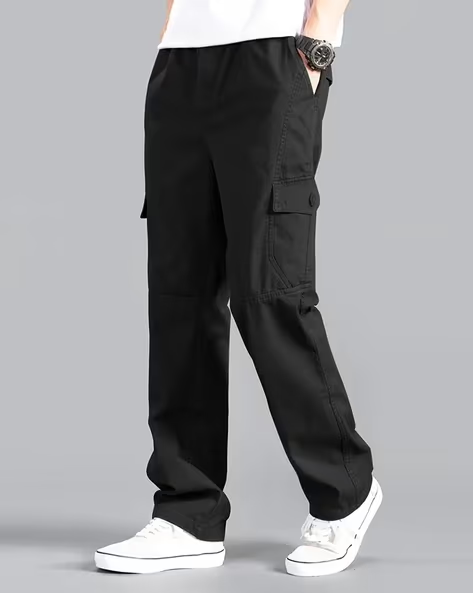
$280.00 Original price was: $280.00.$250.00Current price is: $250.00.
The history of the trouser is a tale of adaptation from rigid military uniforms to the comfortable, functional garments of today. Drapelix Among the most transformative innovations in this history is the incorporation of dynamic fabric technology into classic utility wear, giving rise to the Stretch Cargo trouser. Stretch Cargo garment successfully marries the rugged, multi-pocket utility of the original cargo pant with the flexibility and comfort demanded by modern life. Gone are the days of stiff, restrictive workwear; the modern wearer requires apparel that moves seamlessly from the office commute to the hiking trail, offering both durability and comfort.
A Brief History of the Cargo Pocket: From Battlefield to Boardwalk (Targeting 2 additional keyword inclusions, total 3)
The Material Science of Flexibility: Engineering the Stretch Cargo Advantage (Targeting 3 keyword inclusions, total 6)
The Ergonomics of Comfort: Why Stretch Cargo Reigns Supreme Over Traditional Twill (Targeting 3 keyword inclusions, total 9)
Modern Silhouettes and Styling: Mastering the Stretch Cargo Aesthetic (Targeting 4 keyword inclusions, total 13)
Conclusion: The Future of Functional Fashion (Targeting 2 keyword inclusions, total 15)
The cargo trouser, the predecessor to the modern Stretch Cargo, has a lineage deeply rooted in military utility. Its story begins with the British Army in the 1930s, specifically with the introduction of the battledress uniform. This uniform featured large, bellowed pockets located on the thigh, designed to hold maps, field dressings, and other essential gear that soldiers needed quick access to, eliminating the need to carry a separate pack or bag for small items. This design concept was quickly adopted by the American military in the 1940s, evolving into the iconic M-42 uniform worn by paratroopers. For airborne units, these large pockets were critical for carrying extra ammunition and rations, highlighting the garment’s foundational principle: maximum functional capacity.
The true breakthrough occurred when fabric technology merged with this established utility design. Consumers in the 21st century started prioritizing activewear and comfort, leading to the demand for trousers that offered both pocket space and unrestricted movement. This convergence gave birth to the Stretch Cargo. By incorporating elastane (Spandex/Lycra) into traditional cotton or synthetic blends, manufacturers could finally offer a trouser that maintained the rugged look and massive storage capacity of a cargo pant while providing the comfort of athletic wear.
The adoption of the Stretch Cargo trouser by outdoor and tactical apparel companies proved its immediate value. Rock climbers, hikers, and police officers quickly recognized that the added elasticity meant less fabric resistance and zero impediment to a full range of motion. This versatility was crucial; the same pair of Stretch Cargo pants could withstand abrasive trail conditions one day and adapt to a casual urban setting the next, all while feeling as comfortable as sweatpants. This massive leap in wearability accelerated the cargo pant’s transition from specialized gear to a universal fashion item, securing its modern dominance. The incorporation of dynamic, responsive fabric transformed the garment entirely.
The engineering behind a high-quality Stretch Cargo trouser is a fascinating study in textile innovation. The key component is elastane, a synthetic fiber known for its exceptional elasticity. Elastane can typically stretch up to 5-8 times its length and return to its original shape, a property known as high recovery. This recovery is what prevents the trousers from bagging or losing their shape at the knees and seat—a common complaint with older, 100% cotton cargo pants.
Core-Spun Yarns: The elastane fiber is wrapped with a natural fiber (like cotton) or a synthetic fiber (like polyester) before being woven. This places the durable fabric on the outside, protecting the vulnerable elastane core, while the stretch remains active on the inside.
Weave Integration: The elastane threads are woven into the fabric itself, either running horizontally (weft stretch) or in both directions (two-way stretch). The best Stretch Cargo trousers often utilize two-way stretch for maximum comfort, allowing the garment to respond to both vertical movements (like squatting) and horizontal movements (like lunging).
A major challenge in creating the Stretch Cargo is balancing the softness and mobility of the stretch fabric with the traditional durability expected of a cargo pant. If too much elastane is used, the fabric can lose structure and become flimsy; if too little, the comfort advantage is lost. The ideal blend for a high-performance Stretch Cargo typically involves a mix of 2% to 4% elastane combined with high-tenacity fibers like nylon or tough cotton twill. This blend ensures the pockets remain secure, the seams hold firm under stress, and the pant retains its rugged look despite its hidden flexibility.
Modern Stretch Cargo trousers often go beyond simple elasticity by incorporating performance features traditionally found only in technical sportswear:
Moisture-Wicking: The synthetic components in the stretch blend pull moisture away from the skin, a significant advantage over slow-drying cotton, making the Stretch Cargo suitable for active pursuits and warm climates.
Quick-Drying: The blend of poly- and elastane fibers means the garment dries exceptionally fast, whether from sweat or rain.
UV Protection and DWR: Many outdoor-focused Stretch Cargo pants are treated with a Durable Water Repellent (DWR) finish and offer UPF (Ultraviolet Protection Factor), proving that the integration of stretch technology has opened the door to complete, multi-functional garment design.
This material complexity is what fundamentally differentiates a casual pair of stretch pants from a true Stretch Cargo trouser, elevating it to an indispensable piece of technical gear.
The most compelling argument for the dominance of the Stretch Cargo trouser is purely ergonomic. Traditional, rigid twill pants, while durable, are inherently restrictive. They require excess material (bagginess) to compensate for movement, or they simply bind up at the knees and hips, making physical activity awkward and uncomfortable. The introduction of the stretch component fundamentally alters this relationship between clothing and the body.
The Stretch Cargo moves with the wearer. When squatting, the elastane engages to prevent the fabric from binding at the knee; when climbing stairs or stepping over obstacles, the fabric lengthens to accommodate the full extension of the leg. This responsiveness eliminates the need for excess fabric, allowing the modern Stretch Cargo to be cut in cleaner, more tailored silhouettes (like tapered or slim fit) while still providing superior freedom of movement compared to even a loose-fitting traditional cargo pant.
Beyond explicit movement, the elasticity of the Stretch Cargo contributes significantly to all-day comfort. The fabric applies a light, constant pressure that feels supportive without being constrictive. This reduces the friction points that often cause discomfort over long periods of wear, making the Stretch Cargo an ideal choice for travel, long commutes, or jobs requiring extended periods of sitting or standing. The high recovery of the fabric also means the Stretch Cargo retains a sharp, non-wrinkled appearance, contributing to the wearer’s sense of professionalism and neatness, even after a demanding day. The ergonomic design principle is simple: maximize movement, minimize bulk. This is the cornerstone of the Stretch Cargo experience.
The modern Stretch Cargo has shed the purely baggy, utilitarian image of the 90s and adapted to contemporary fashion demands. The elasticity allows for precise tailoring that was previously impossible in utility pants. Key modern silhouettes include:
Tapered Fit: The most popular style, featuring a relaxed fit through the thigh that gradually narrows toward the ankle. This retains comfort where it’s needed while creating a clean, modern line suitable for smart-casual environments.
Slim Fit: An aggressive cut enabled entirely by the stretch technology. The fabric hugs the leg but moves effortlessly, proving that function and form are no longer mutually exclusive.
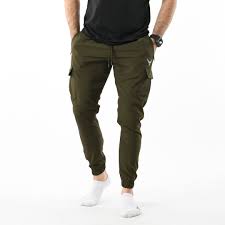
Jogger Style: Incorporating elasticated cuffs, this ultra-modern take on the Stretch Cargo emphasizes active utility and streetwear aesthetic, pairing perfectly with high-top sneakers.
The versatility of the Stretch Cargo is one of its biggest selling points. It can anchor diverse outfits:
Streetwear: Paired with a minimalist hoodie, a technical jacket, and sneakers, the Stretch Cargo becomes the foundation of a sharp, urban aesthetic. The texture and pocket design add necessary complexity to an otherwise simple ensemble.
Workwear/Casual: By choosing a neutral color (black, olive, or navy) and pairing the Stretch Cargo with a simple polo shirt or a fitted knit sweater, the look transitions seamlessly into a business-casual environment suitable for creative or tech offices. The clean drape afforded by the stretch fabric prevents the look from appearing sloppy.
Outdoor: Naturally, the Stretch Cargo excels outdoors. Its durability, stretch, and quick-drying properties make it ideal when combined with hiking boots and technical shell jackets. The multiple pockets of the Stretch Cargo eliminate the need for a small backpack. This practical utility is a powerful factor in the appeal of the Stretch Cargo for modern consumers.
The evolution from the rigid, field-ready trouser of the 1940s to the dynamically engineered Stretch Cargo of today represents a profound paradigm shift in how we approach apparel. This garment successfully synthesizes historical utility with modern material science, delivering a product that offers maximum comfort, minimum restriction, and superb pocket capacity. The adoption of elastane did not dilute the ruggedness of the cargo pant; rather, it perfected it, allowing the trouser to be tailored into sleek, contemporary silhouettes that appeal equally to the fashion-conscious consumer and the outdoor enthusiast.
The Stretch Cargo trouser is more than a trend; it is the natural Culmination of consumer demand for smarter, more versatile, and more comfortable clothing. Its ability to seamlessly transition from activewear to everyday casual wear, paired with its incredible durability and minimal maintenance requirements, solidifies its position as a long-term investment. This unique blend of practical utility, ergonomic comfort, and modern style ensures the Stretch Cargo will remain a dominant force in casual and functional fashion for the foreseeable future. The superior design of the modern Stretch Cargo truly marks the arrival of functional elegance.
| 3.1 | " Stretch Black Cargo " |
|---|


Reviews
There are no reviews yet.